Inference engineering for software engineers ↗
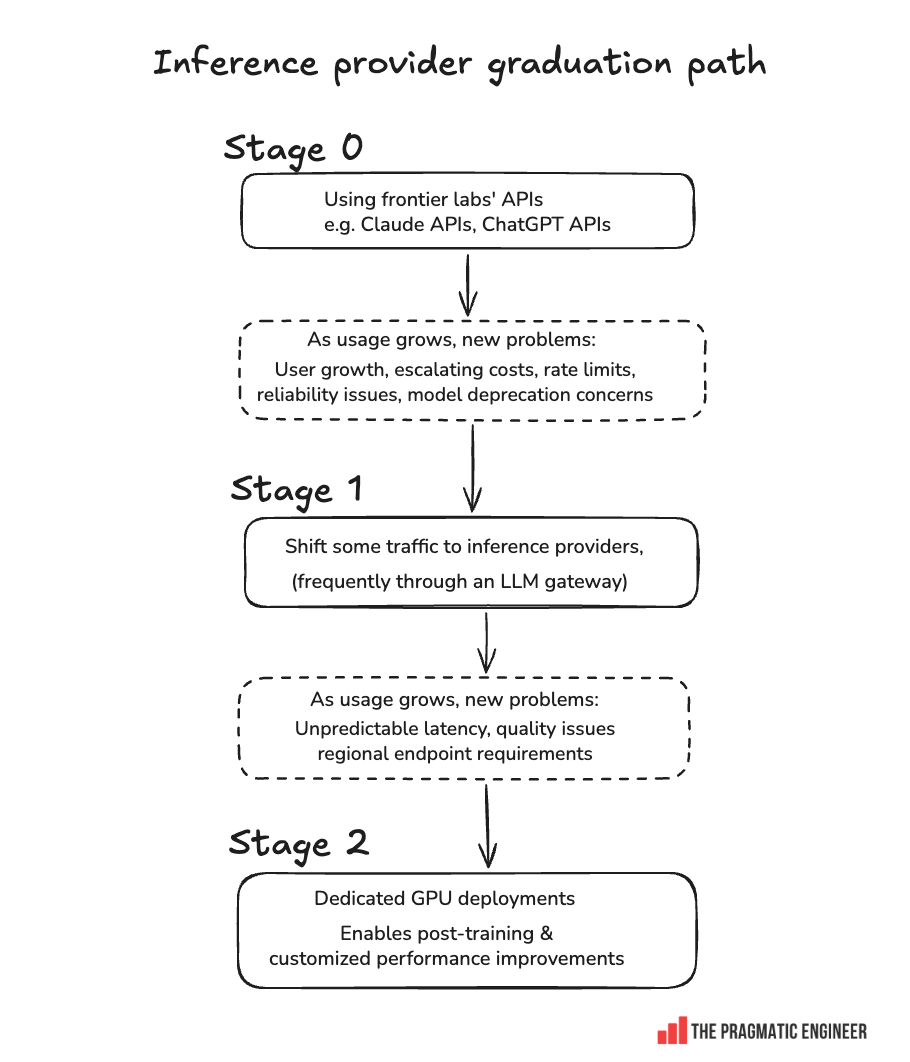
When is the right time to drop APIs provided by the frontier AI labs, and what about choosing models & providers, caching, dedicated GPUs, KV cache concerns, and more? A practical deepdive

// publication
@the-pragmatic-engineer
// latest articles
When is the right time to drop APIs provided by the frontier AI labs, and what about choosing models & providers, caching, dedicated GPUs, KV cache concerns, and more? A practical deepdive
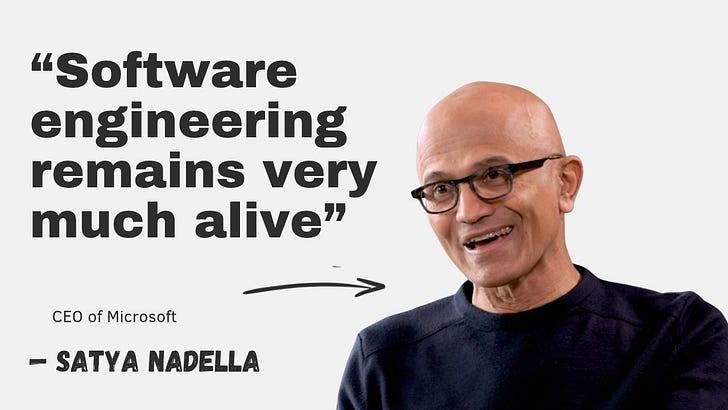
Microsoft CEO Satya Nadella on AI’s impact on software engineering, code verification, and engineers’ careers.
Also: native mobile and frontend jobs are disappearing, how trust helps an “AI-native” engineering team to succeed, Carta starts selling a coding harness, and more
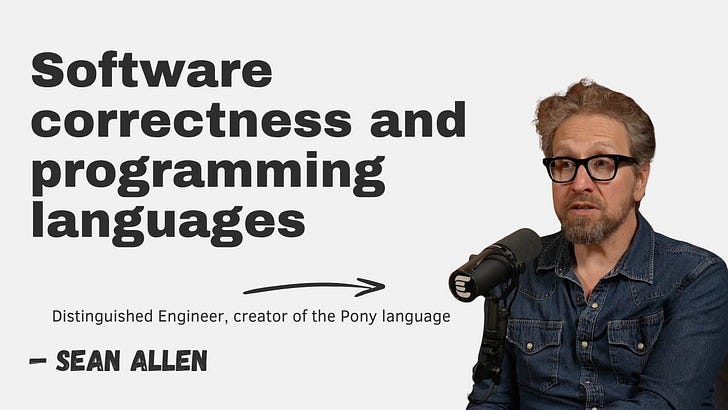
A deep conversation on the biggest challenges of developing with AI – while trying not to mention the phrase “AI” once. Why? To dig up the fundamentals that are as important as ever
The Summit is back in San Francisco, for the second year, and registrations are open for February 10, 2027
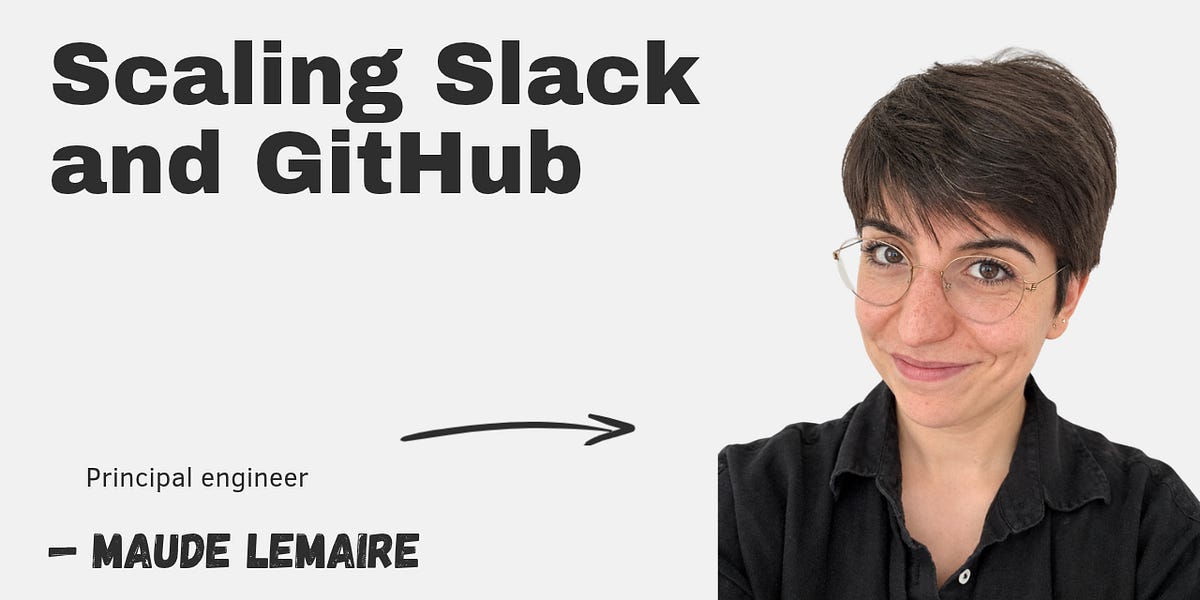
Maude Lemaire shares lessons from scaling Slack and GitHub, improving performance at Cursor, and using AI while keeping engineering judgment in human hands.
We invited readers to write about how building software changed, in an essay challenge. Many of you took part, and today we’re sharing the winning piece from a strong set of entries
AI is rendering the Leetcode-style interview pointless and now Anthropic has deleted it from its interview loop. Also: details of incident.io’s AI spend, Microsoft’s exit offer to engineers, and more
Titus Winters shares lessons from engineering at Google’s scale and explores how AI is reshaping developer productivity and computer science education.
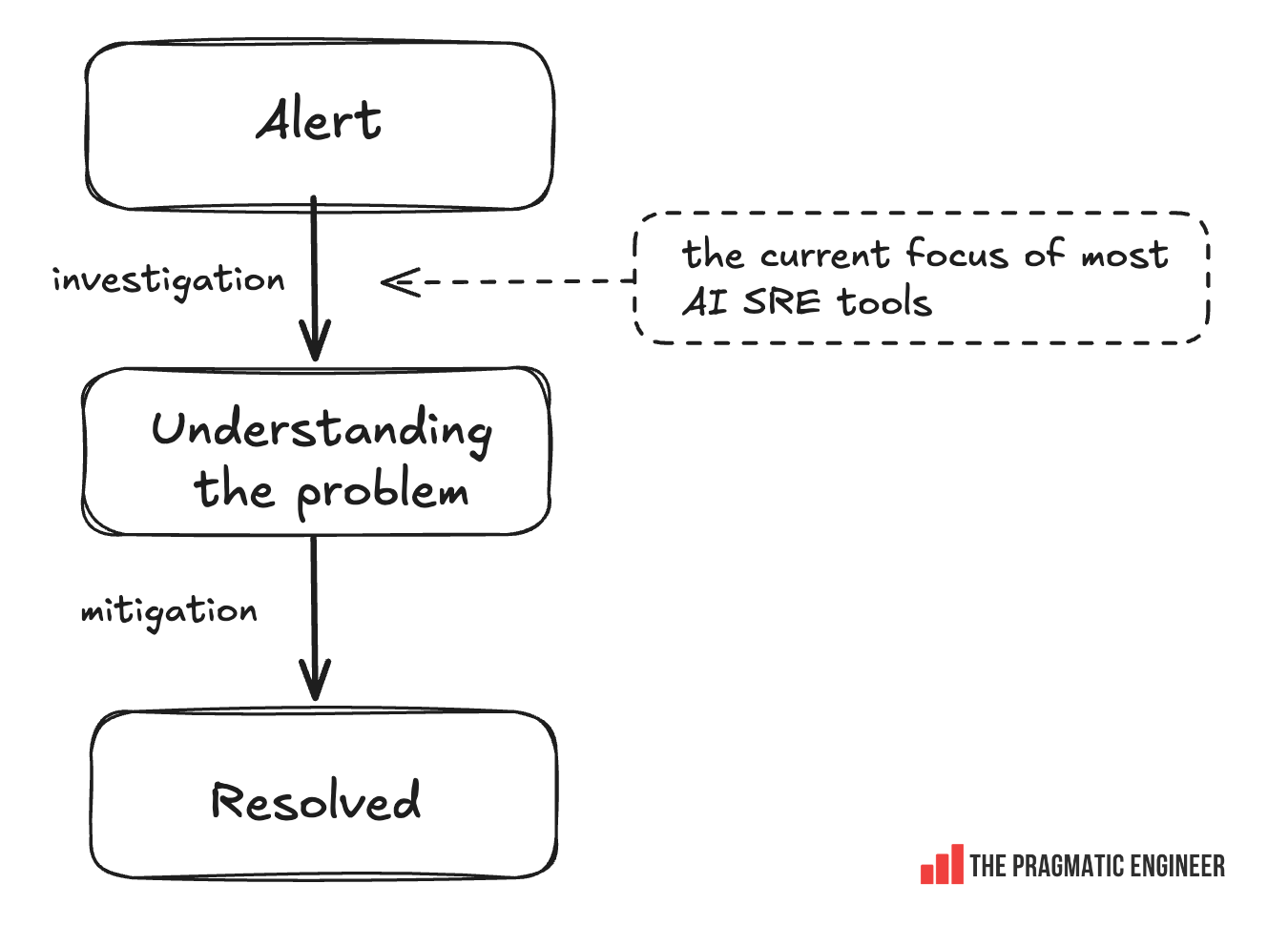
“AI SRE” is fast becoming a trending term fueled by flashy demos from vendors, but has an AI SRE ever really been on-call while engineers slept? Deepdive
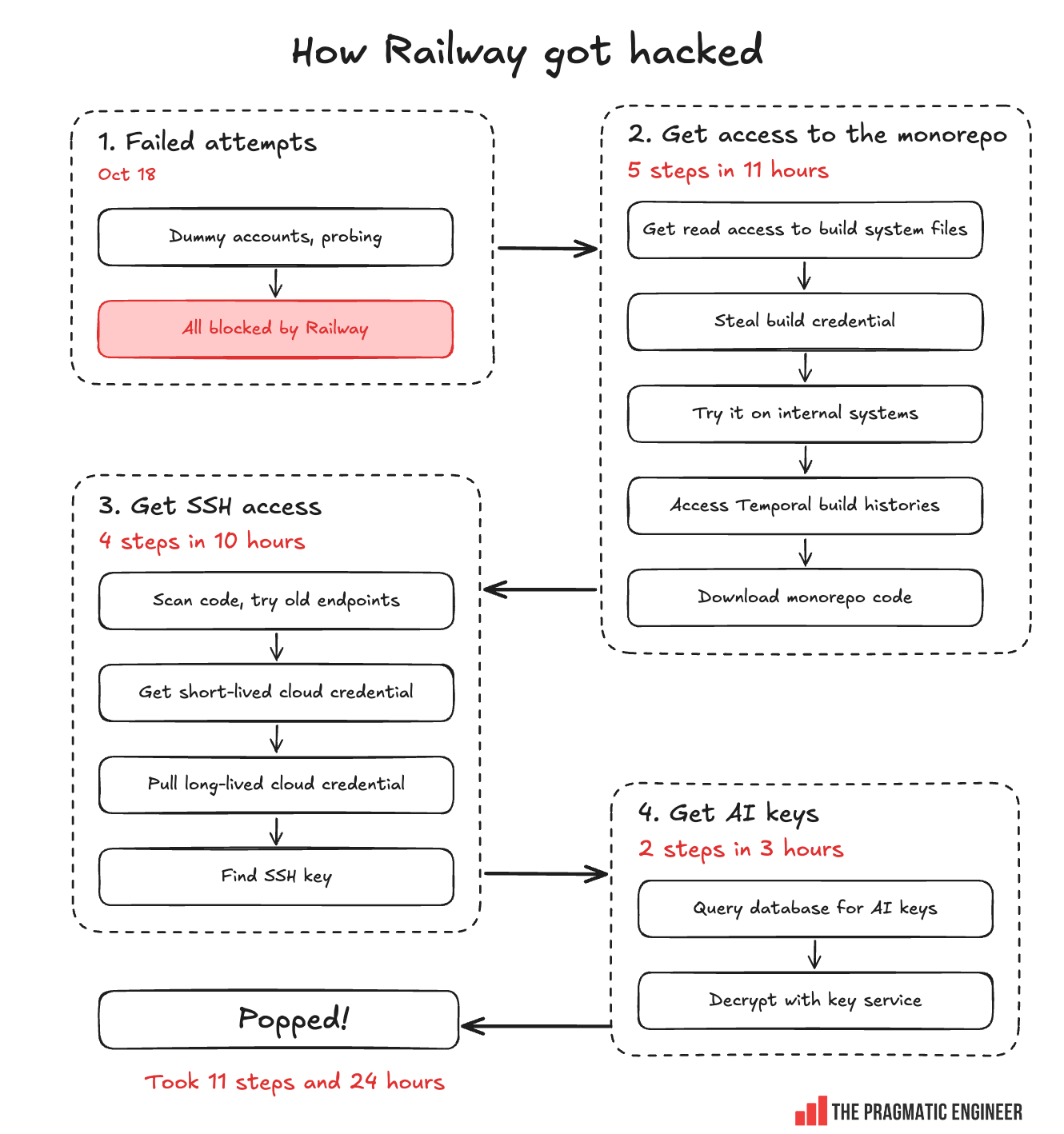
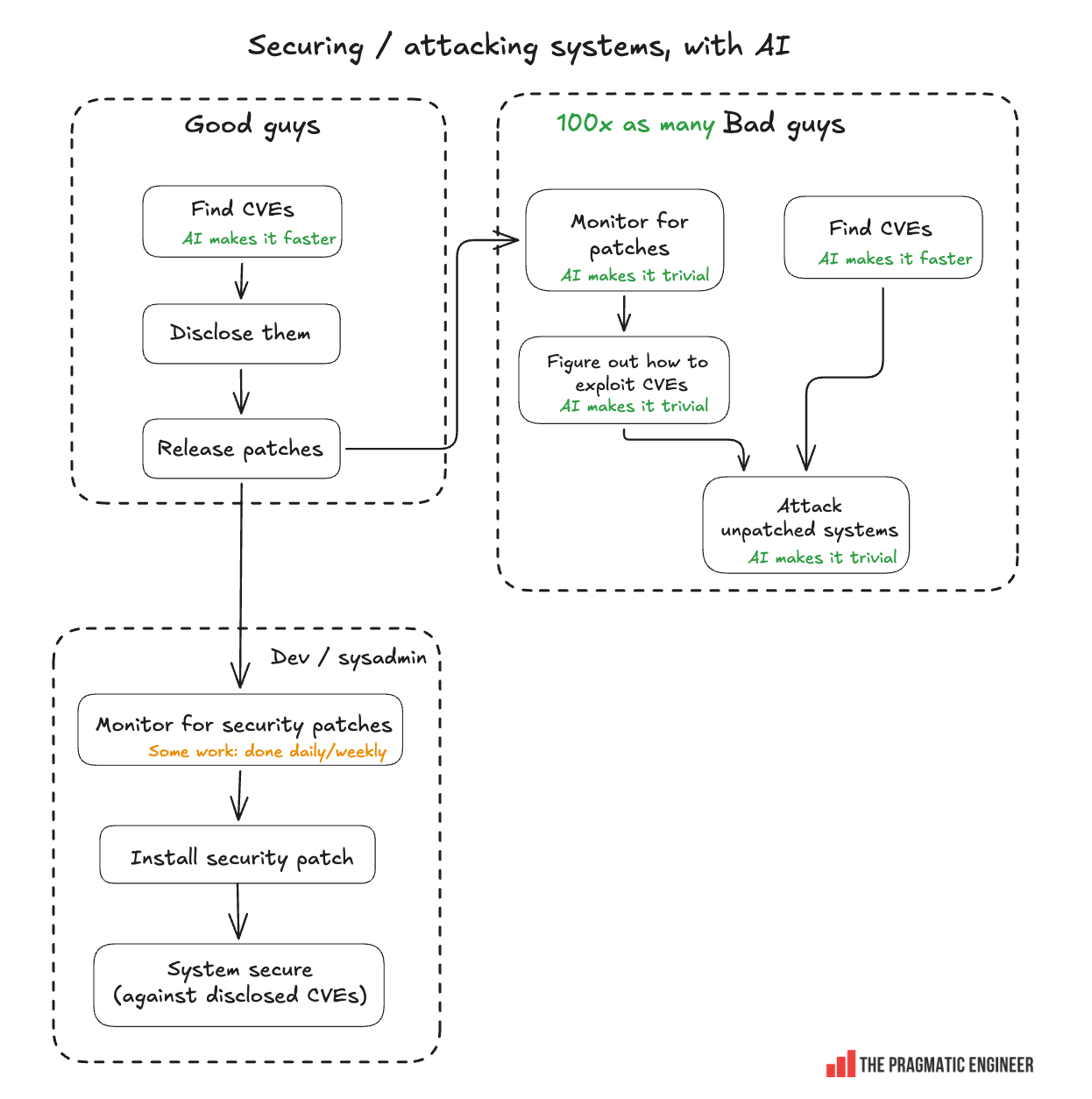
A month’s worth of security breaches in a single day – will things get worse before they improve? Also: Anthropic accused of version control “rip off”, and more
Will Larson, CTO of Imprint, explores how AI and shifting industry expectations are changing engineering management, career ladders, and the path from engineer to CTO.
AI spending has greatly increased at most companies this year, but has it actually changed shipping velocity and PR output? We analyse data from 27 companies – with some interesting findings
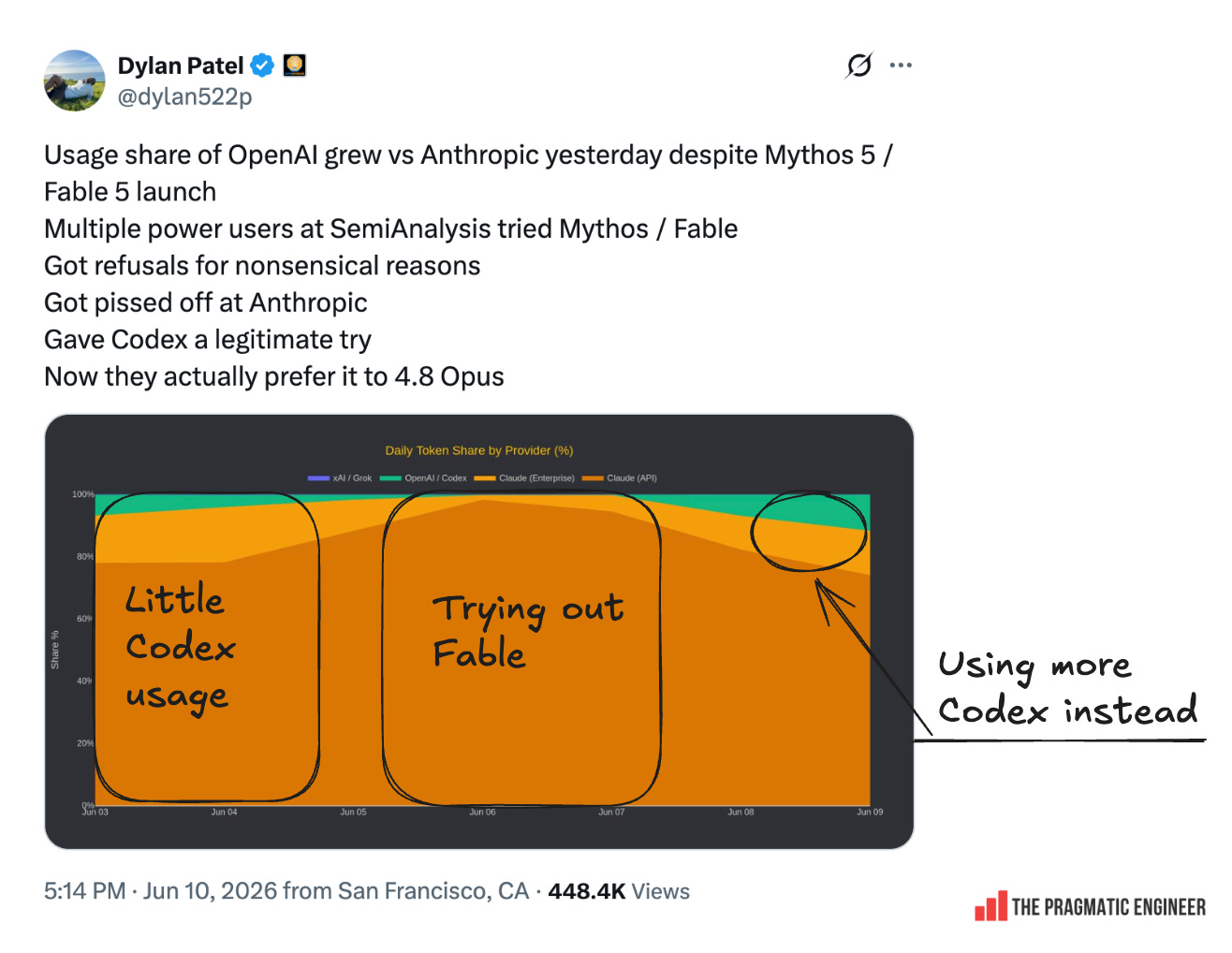
Anthropic’s new model, Fable, has restrictions many users find unacceptable. Also: a new trend of smart model routing, Coinbase’s core service has no automatic cross-zone failover, and more.
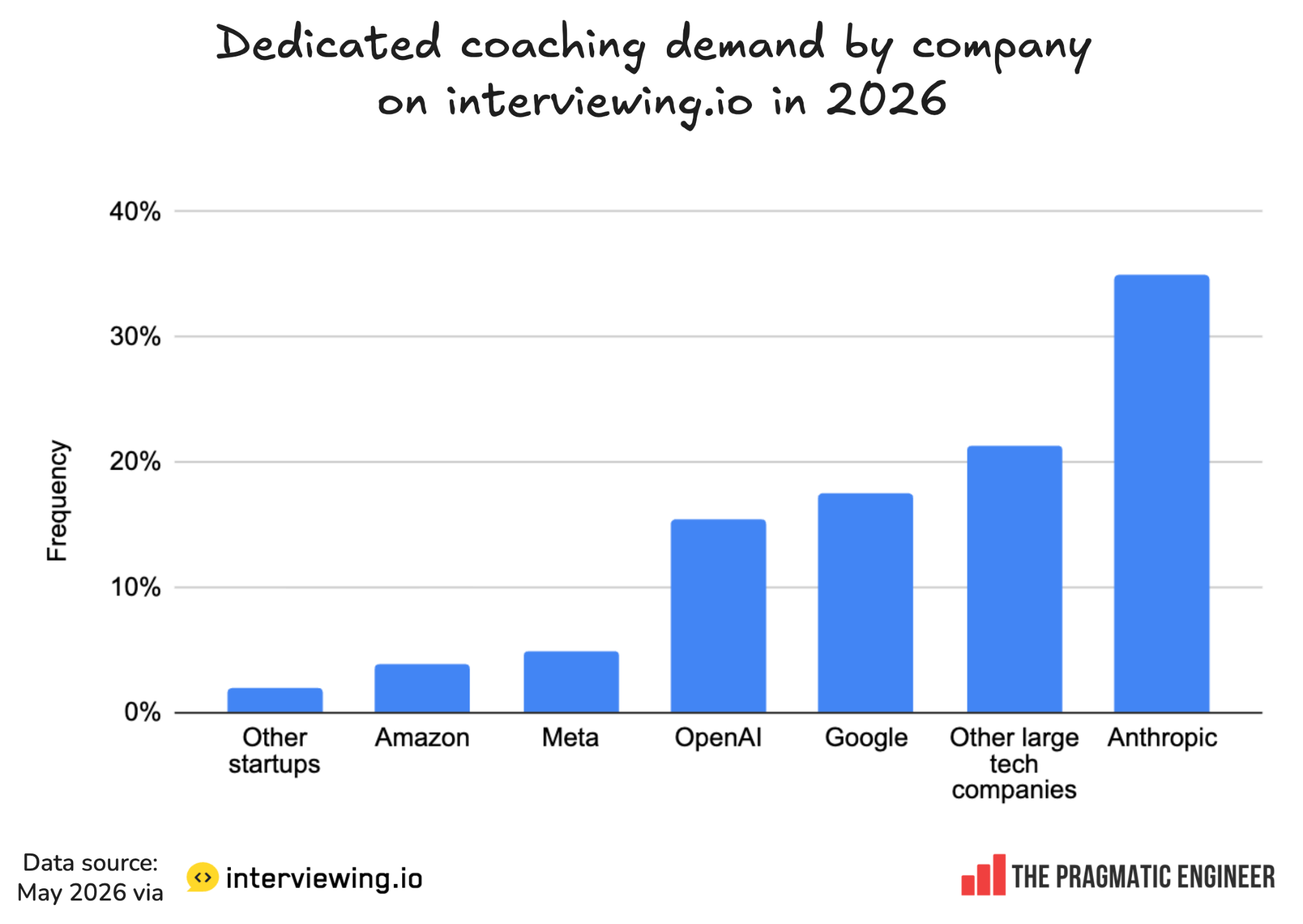
Deepdive into the tech jobs market with exclusive data revealing AI labs are more attractive than Big Tech, native mobile & frontend roles are declining, management’s “great flattening”, and more
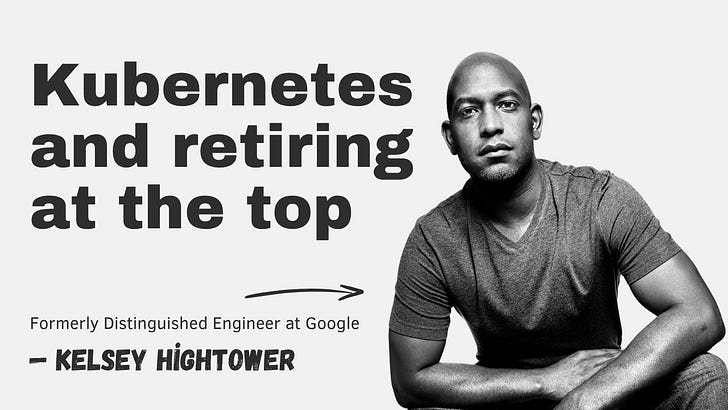
Kelsey Hightower reflects on his journey from self-taught technician to Google Distinguished Engineer, sharing lessons on open source, Kubernetes, AI, and building technology that serves people.
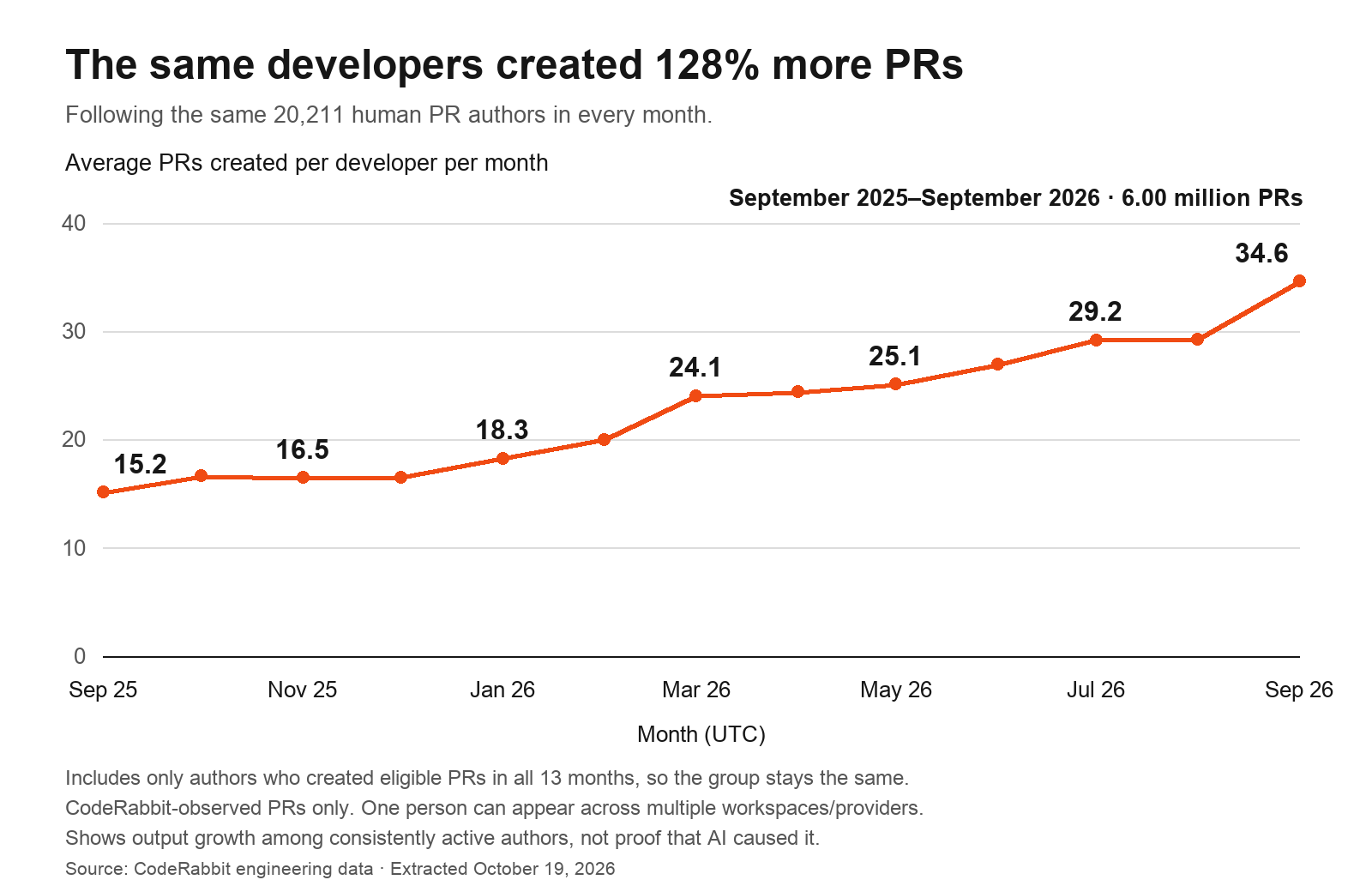
Devs are generating twice as much code (or more) than just 6 months ago, which is a problem for quality, reliability, and tech debt. A rational fix is available for these, but who’s acting rationally?

Top-down and bottom-up efforts to rationalize AI token spend, interesting AI coding stats from Cursor, GCP suspends $2M/month customer without warning, and more
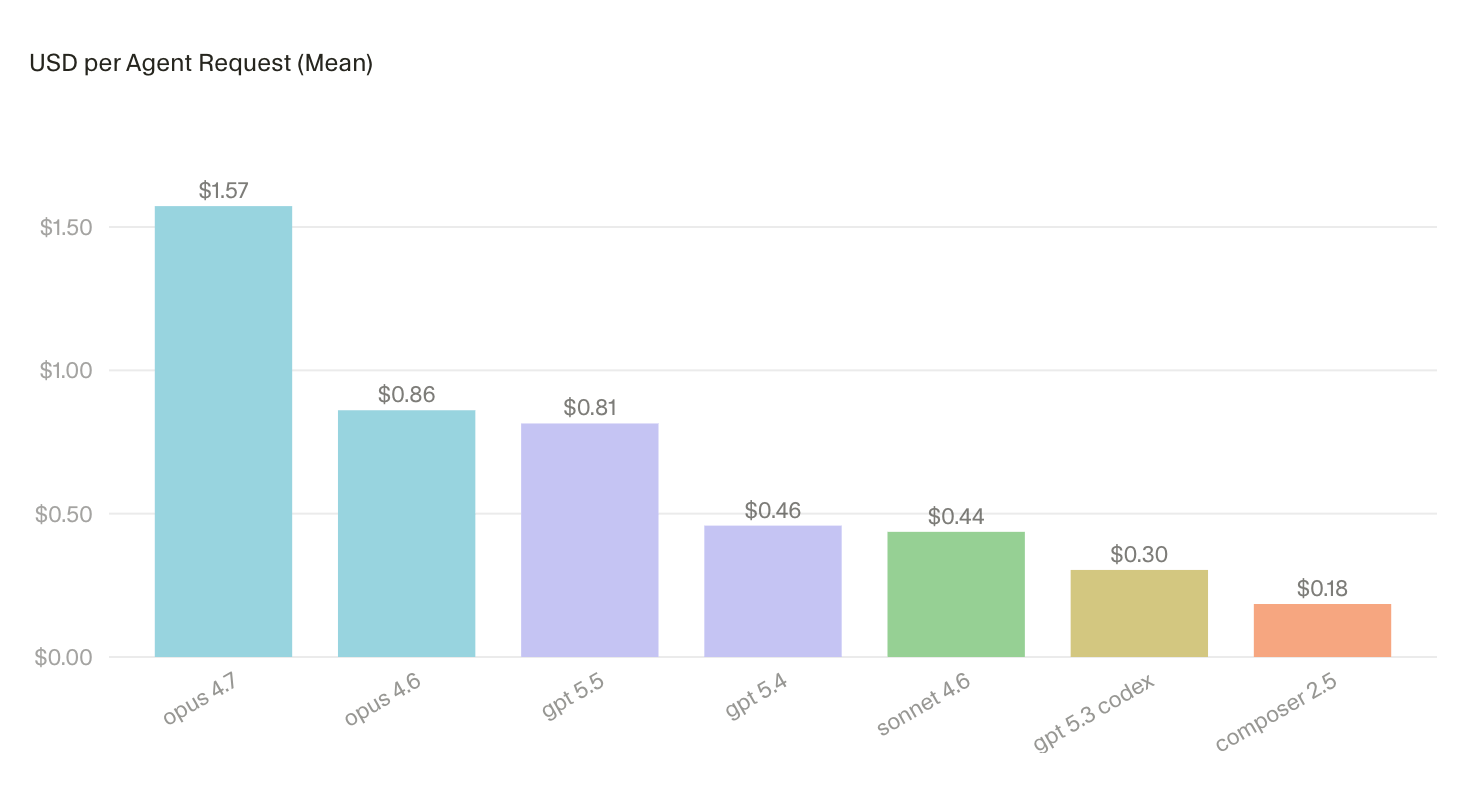
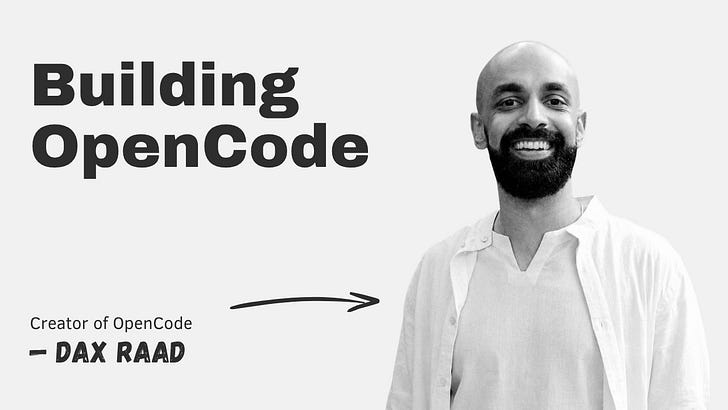
Dax Raad, co-founder of OpenCode, joins the show to discuss their explosive growth, the limits of AI coding tools, and why engineering judgment still matters.
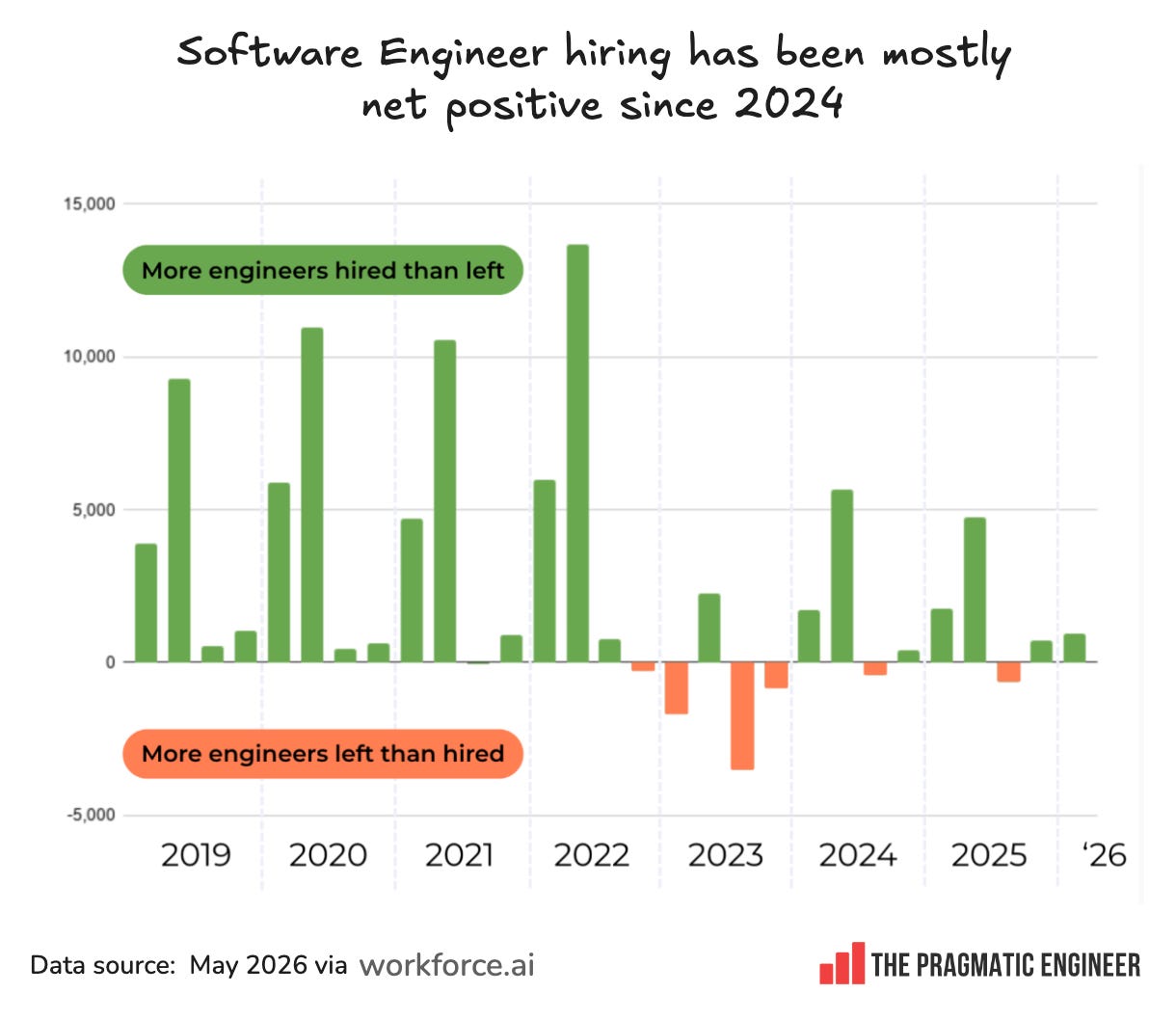
A deepdive into today’s tech jobs market, with exclusive data on software engineering jobs, the AI engineering boom, whether AI engineering is “replacing” software engineering hiring, and more
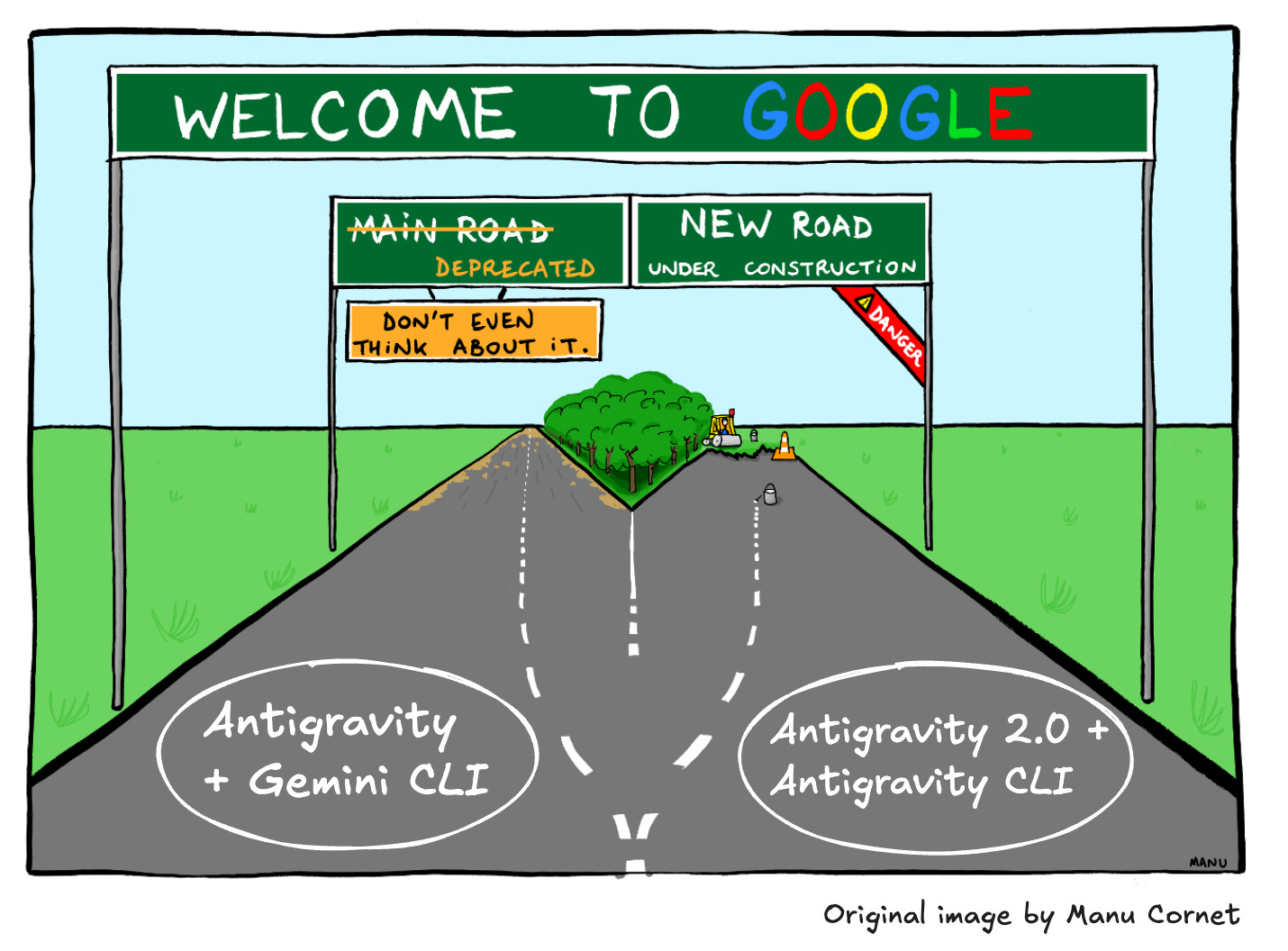
Negative feedback greets Google’s redesigned AI IDE, why Google’s product ecosystem is so chaotic, Meta cuts 10% of staff as it hits record revenue and profits, and more
Alice Ryhl from Google’s Android Rust team explains why developers love Rust, and what makes the language so powerful for building reliable software.

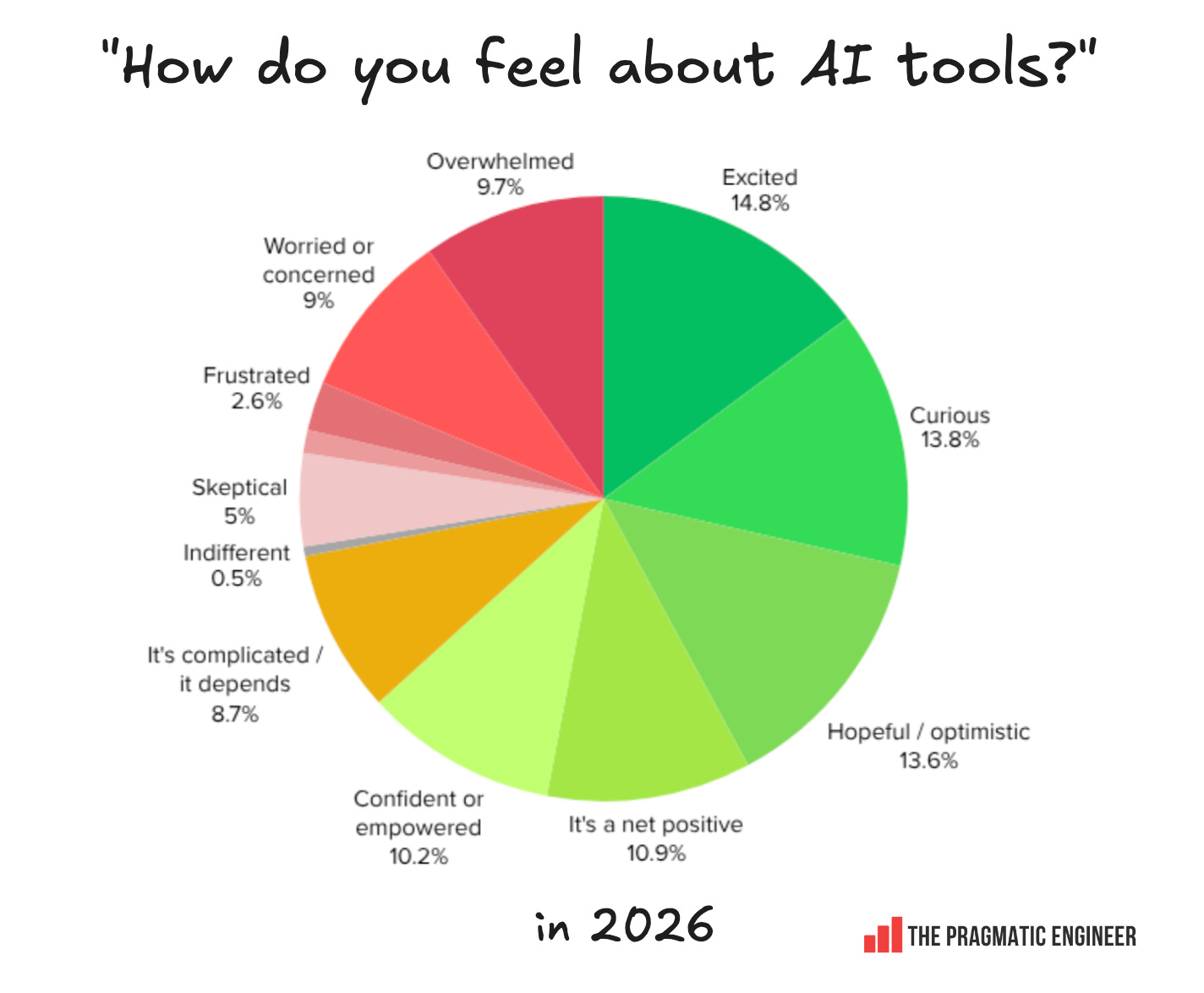
Tradeoffs of AI tooling, why adopting AI at company-level is hard, what’s changed in two years, and more. The third and final part of a series analyzing our 2026 AI survey results
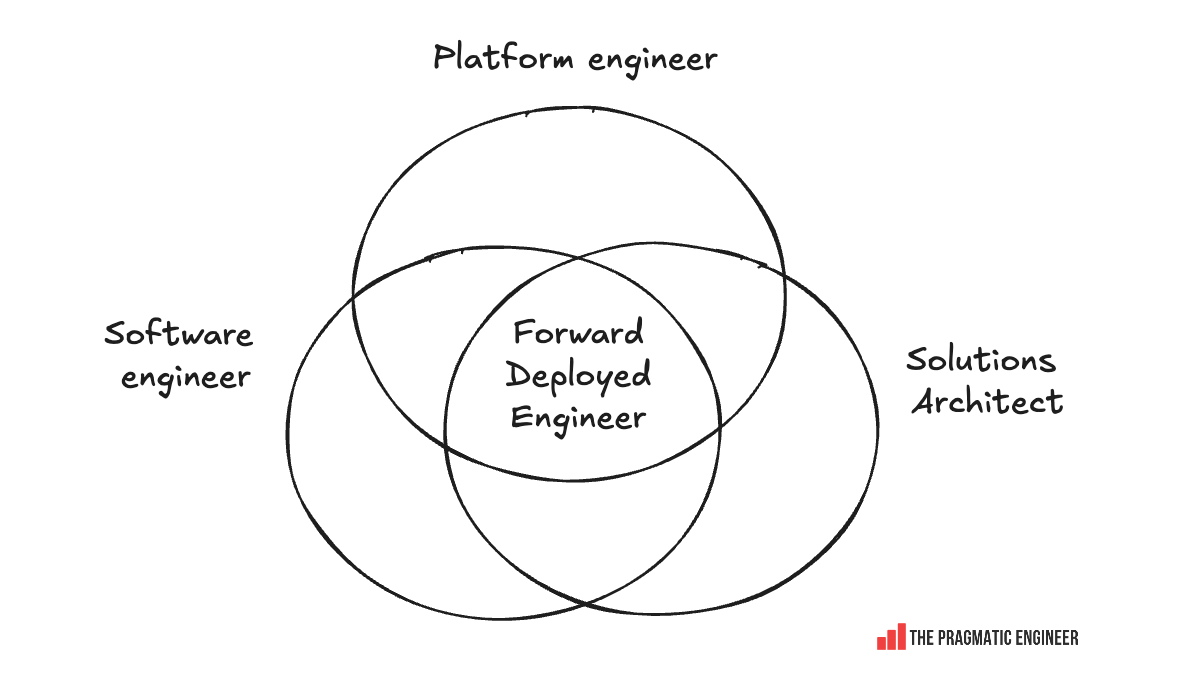
Also: a look into rising tech job losses, self-reporting 100% AI usage at big companies, vibe coding & agentic engineering merging, and more
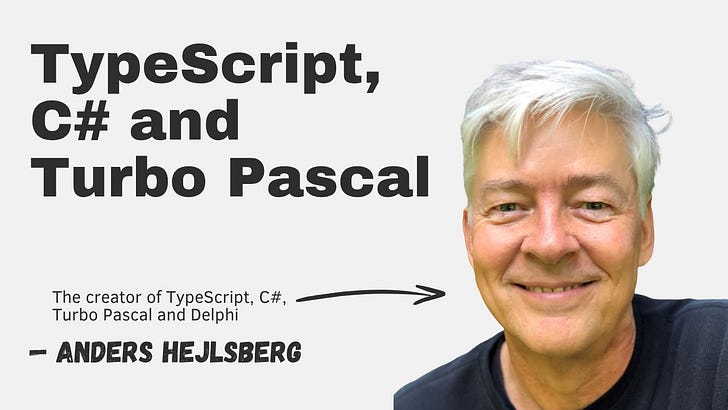
Anders Hejlsberg reflects on building Turbo Pascal, C#, and TypeScript, and shares what AI may change about the future of software engineering.
Does the noted “No Silver Bullets” paper by the author of a classic engineering book still hold up, 40 years later? Is AI the long-sought single silver bullet – or has one been around for years?

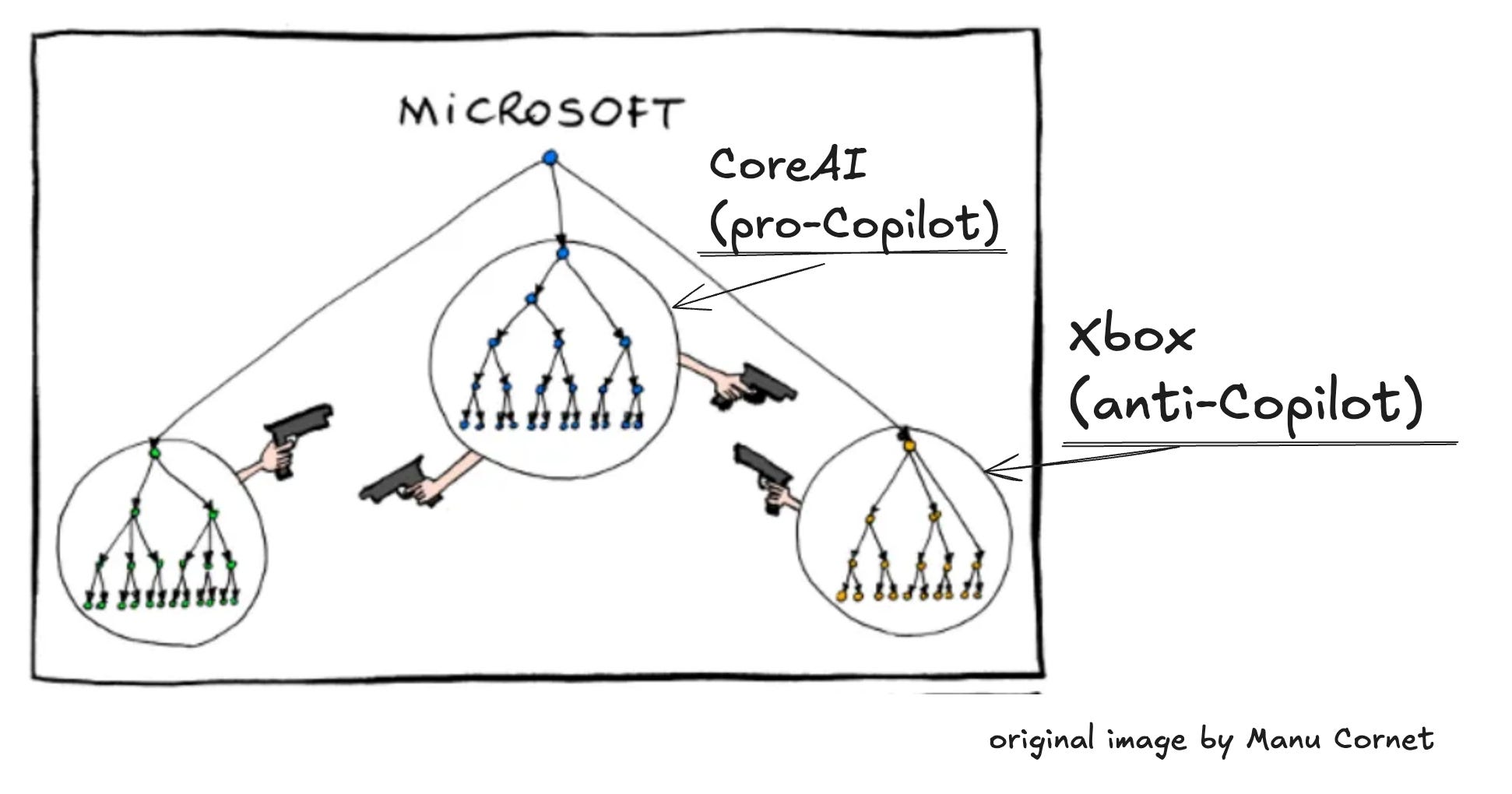
Also: Amazon finally allows engineers to use Claude Code and Codex, Meta forcefully assigns engineers to data labelling work ahead of layoffs, more small “AI-forward” teams, and more
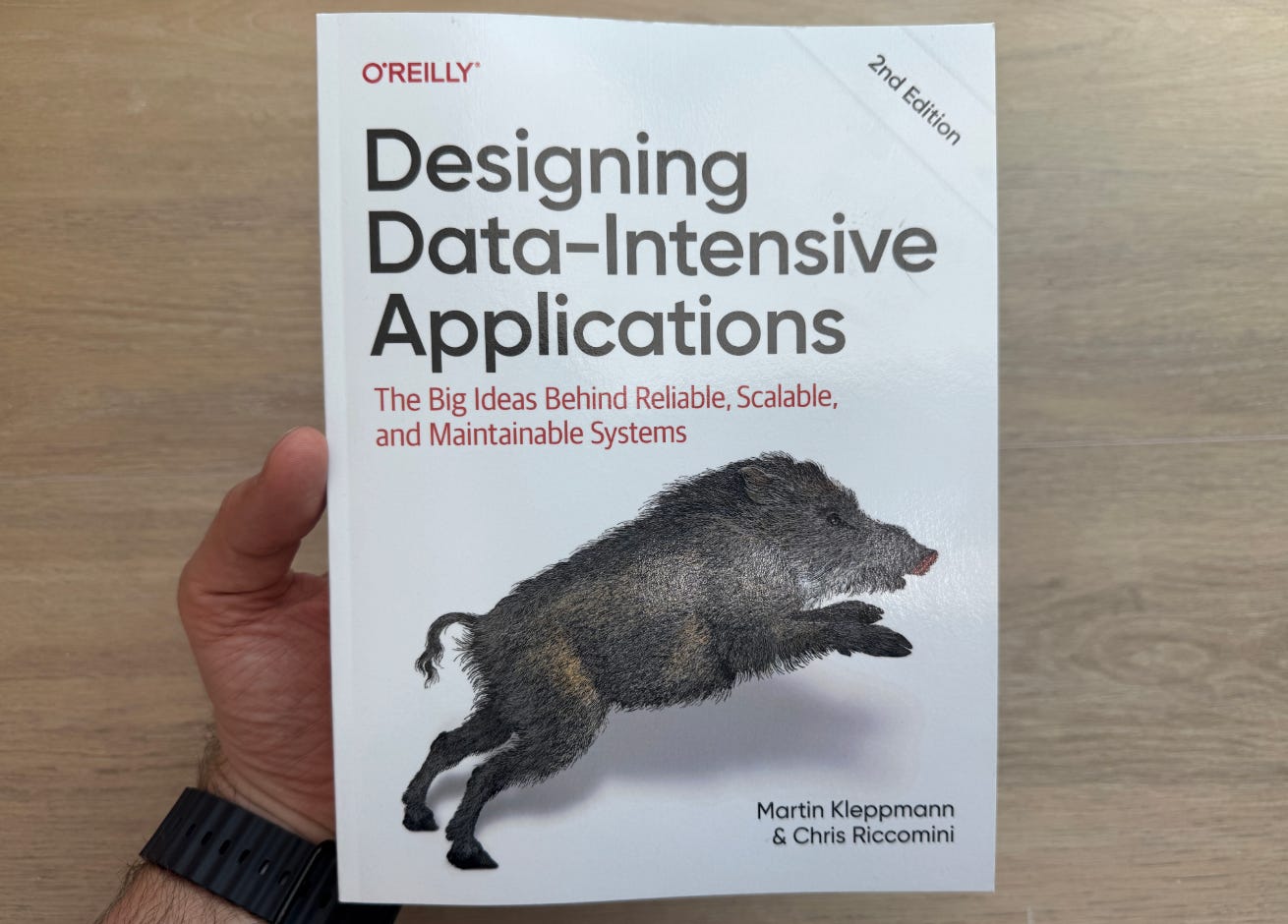
How the cloud changes the way we build applications, and why engineers’ ethical choices matter more than ever. Excerpt from the book, ‘Designing Data-Intensive Applications’, 2nd edition
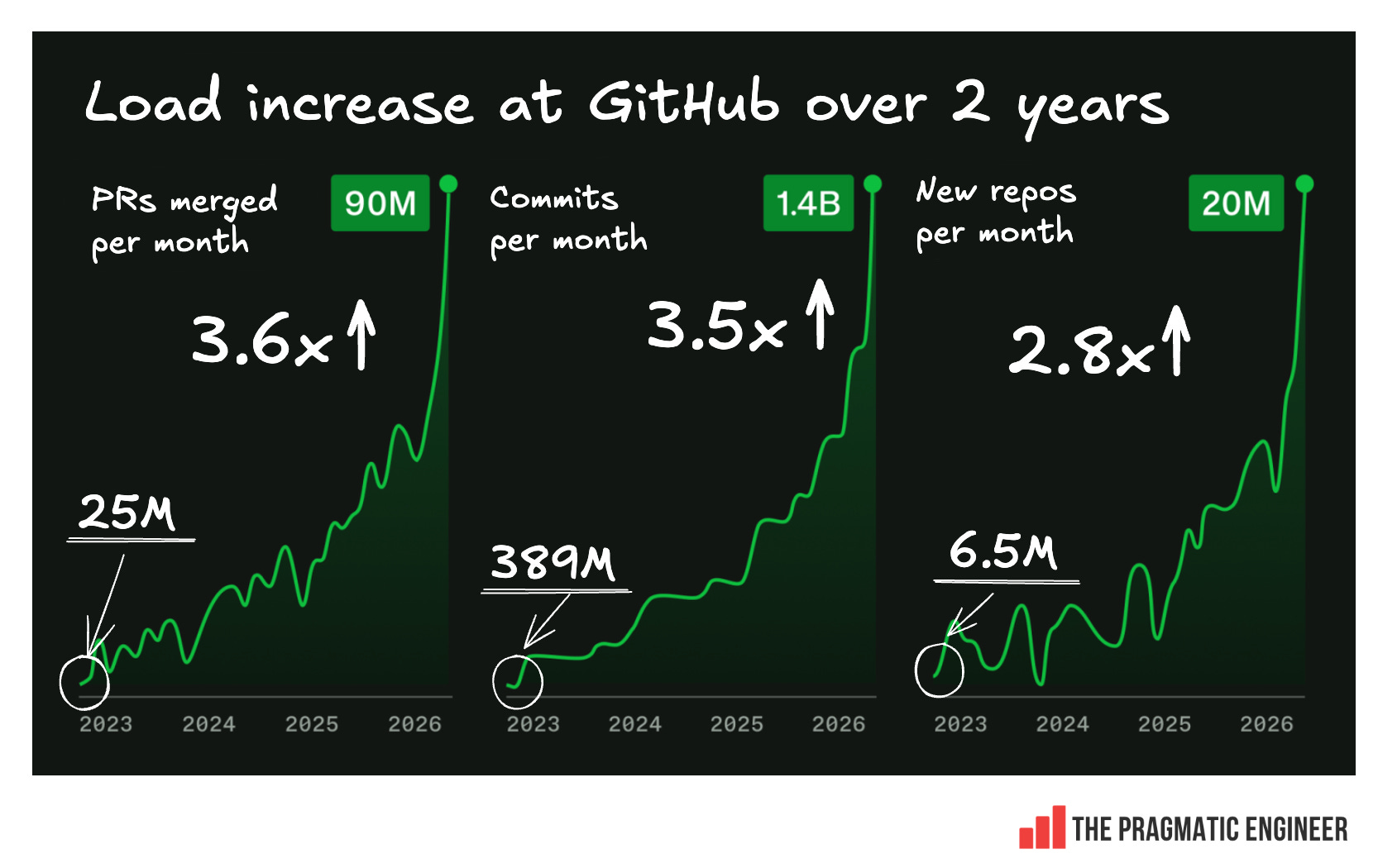
Also: Anthropic’s speed run to break devs’ goodwill, big price increases from GitHub Copilot, Mitchell Hashimoto on the “building block economy,” and more
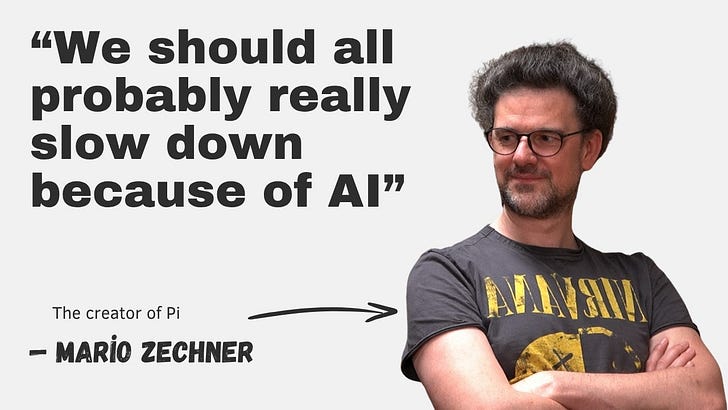
Mario Zechner, creator of Pi, joins Armin Ronacher to explore AI coding’s limits, arguing that human judgment still matters most in an agent-driven world.
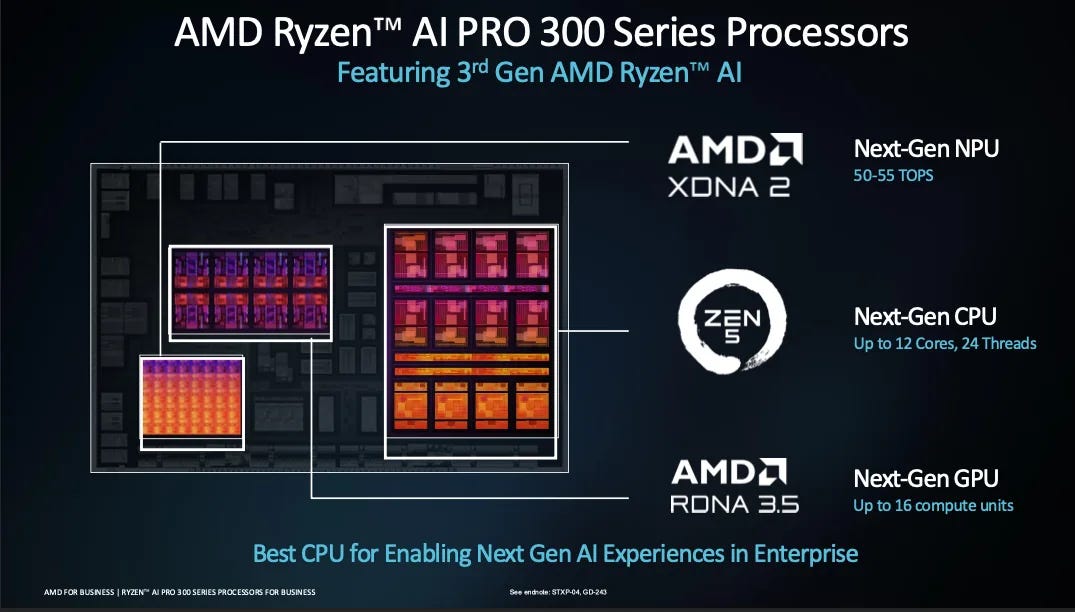
A deepdive with the Canonical team into how AI is changing Ubuntu, why they’re betting on local-first LLMs, and a look into other Linux distributions
Details from 15 tech companies on the rapid growth of token spend, and their responses to it. Also: AI vendors can’t keep up with demand, plummeting morale at Meta, and more.

Martin Kleppmann on scaling, his updated Designing Data-Intensive Applications, and what’s next for AI-era systems.

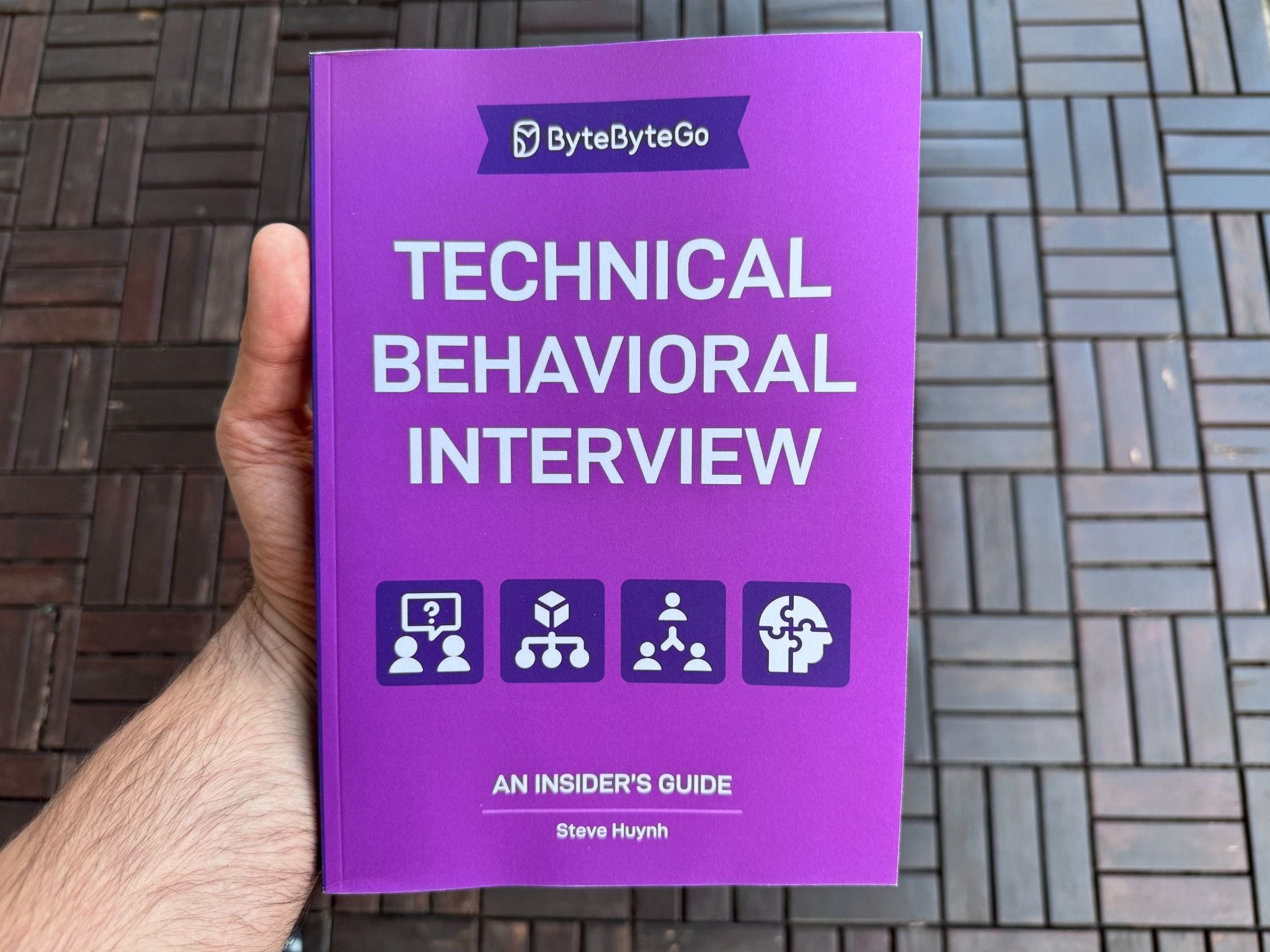
Steve Huynh, formerly Principal Engineer at Amazon, shares observations from 10+ years of interviewing software engineers, and an excerpt from his new book, Technical Behavioral Interview
… which will probably be the shortest-lived trend because it’s so wasteful. Also: coding AI agent subsidies could be ending, Cal.com going closed source and blaming it on AI, and more.

Our AI tooling survey finds concerns about mounting AI costs, more engineers hitting usage limits, and AI tools having uneven effects upon different types of engineers

David Heinemeier Hansson shares why he shifted to an agent-first AI workflow, and what it means for how software is built and who builds it.

Parallels between technology shifts in the past decades and what we’re seeing with AI. Also: ways to avoid burnout when working with AI agents, TDD back in style, and more.
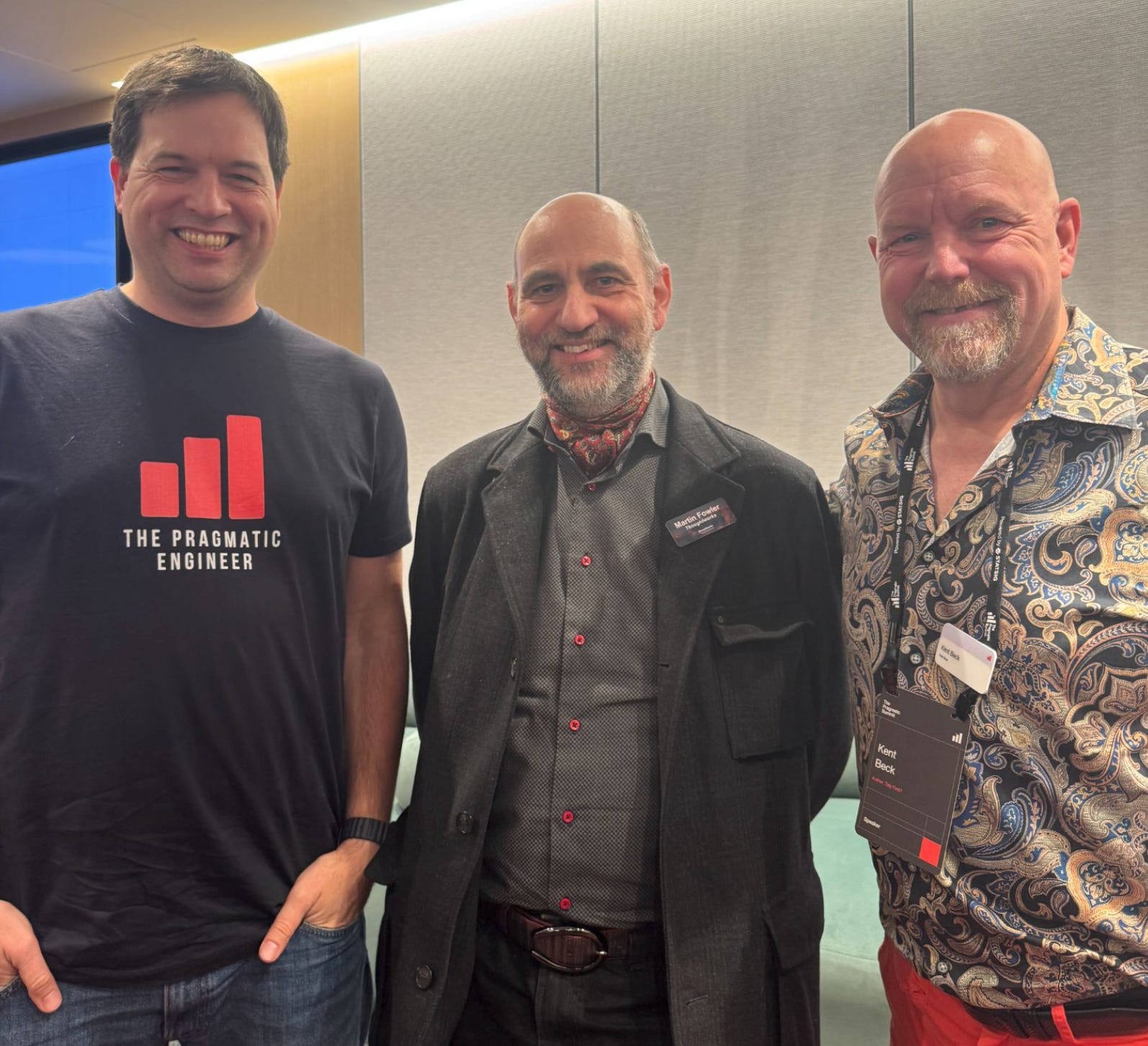
Mark Zuckerberg and Garry Tan join the trend of C-level folks jumping back into coding with AI. Also: a bad week for Claude Code and GitHub, and more

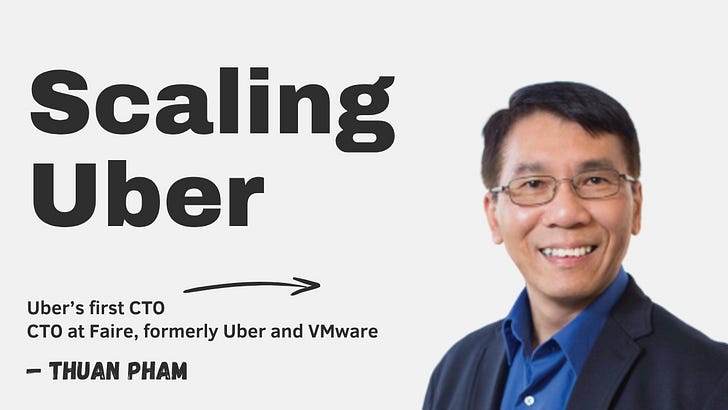
Thuan Pham (Uber's first CTO) on scaling Uber from constant outages to global infrastructure, the shift to microservices and platform teams, and how AI is reshaping engineering.
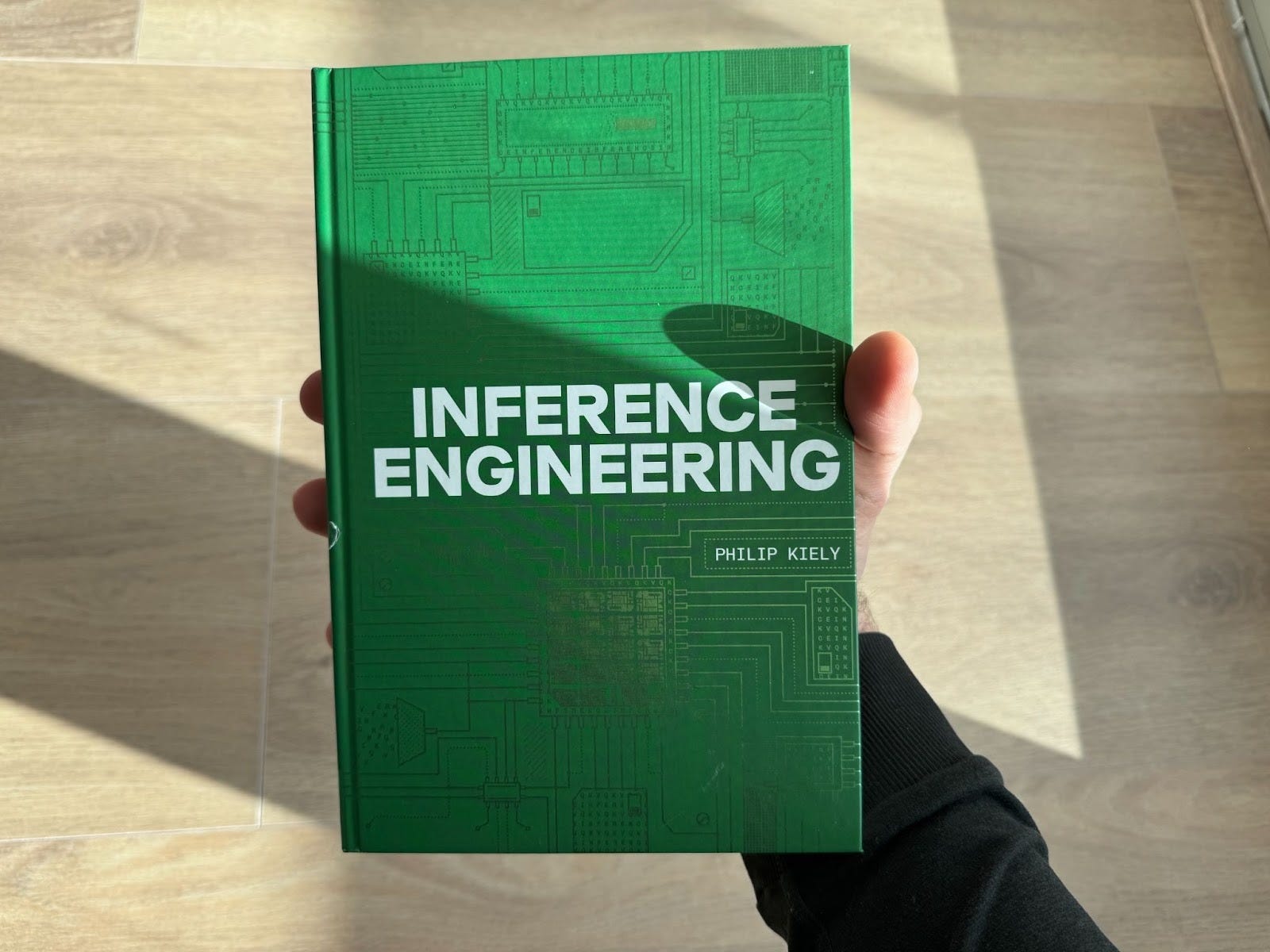
Many engineers use inference daily, but inference engineering is a bit obscure – and an area rich with interesting challenges. Philip Kiely, author of the new book, “Inference Engineering,” explains
Poor availability has dogged GitHub for months and raises questions about its status and focus. Plus, Microsoft promises Windows will not be “Microslop”, a massive LLM supply chain attack, and more

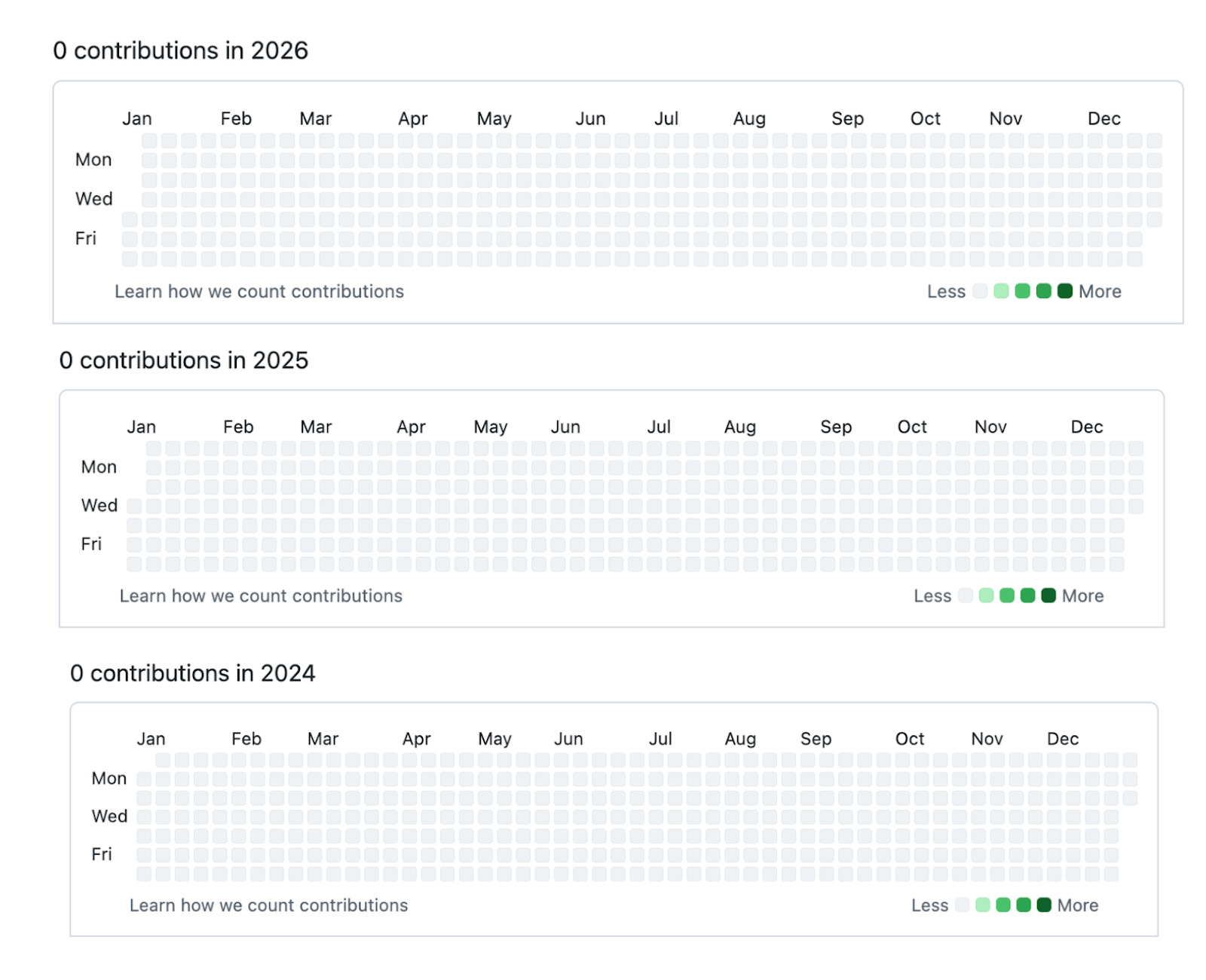
An interview with an engineer with no public GitHub contributions, setting clear boundaries – and yet not having needed to apply for positions when searching for a job, because referrals found them
Also: AI-agent generated pull requests cause headaches for large open source projects, OpenAI acquires the creator of uv, a sudden Cursor price hike annoys some enterprise customers, and more

Jean Lee, engineer #19 at WhatsApp, on scaling the app with a tiny team, the Facebook acquisition, and what it reveals about the future of engineering.

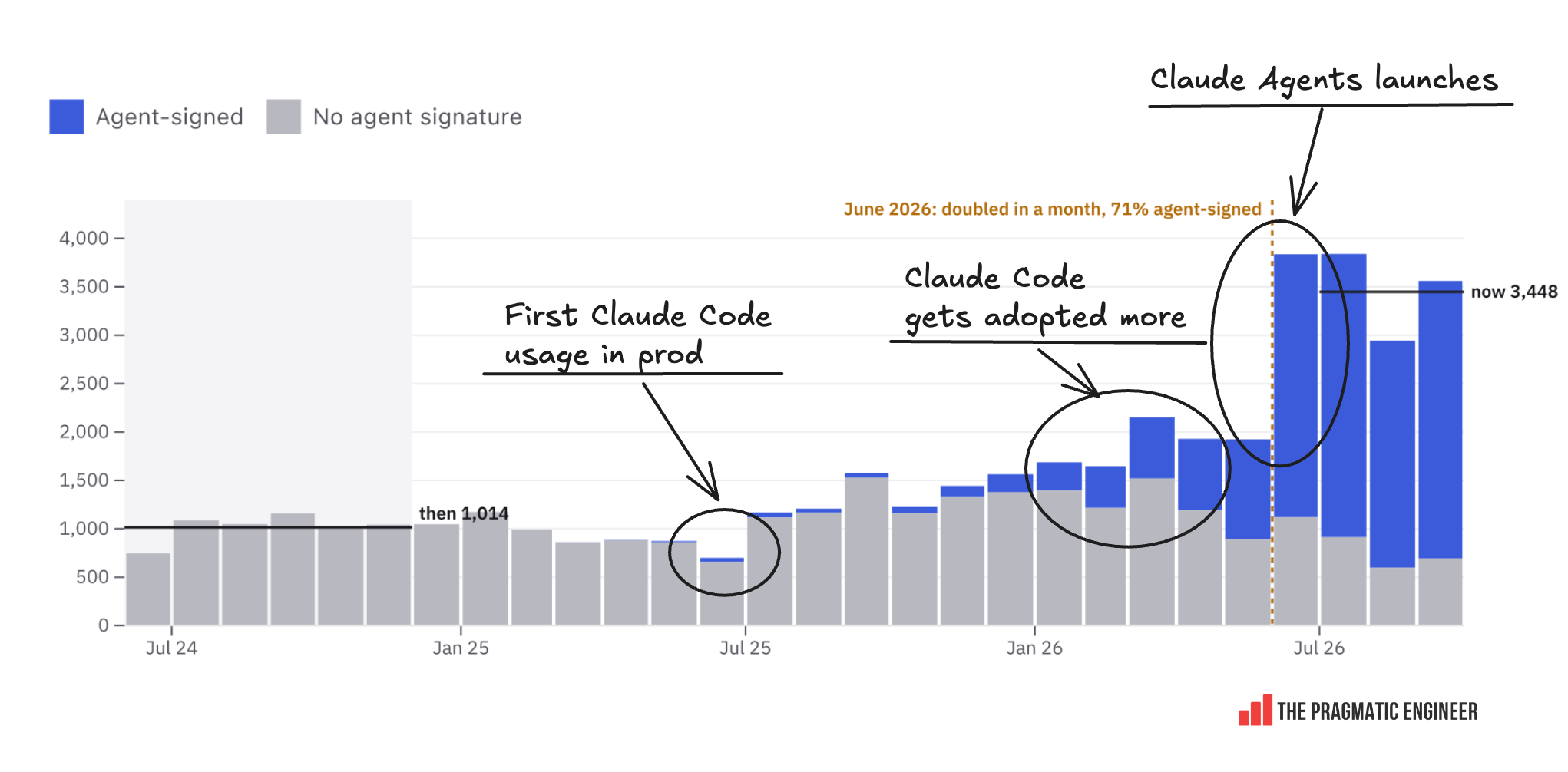
As more software engineers use AI agents daily, there’s also more sloppy software, outages, quality issues, and even a slowdown in shipping velocity. What’s happening, and how do we solve it?

Also: new trend of token costs becoming a worry for CTOs, 10% cuts at Atlassian, and more.
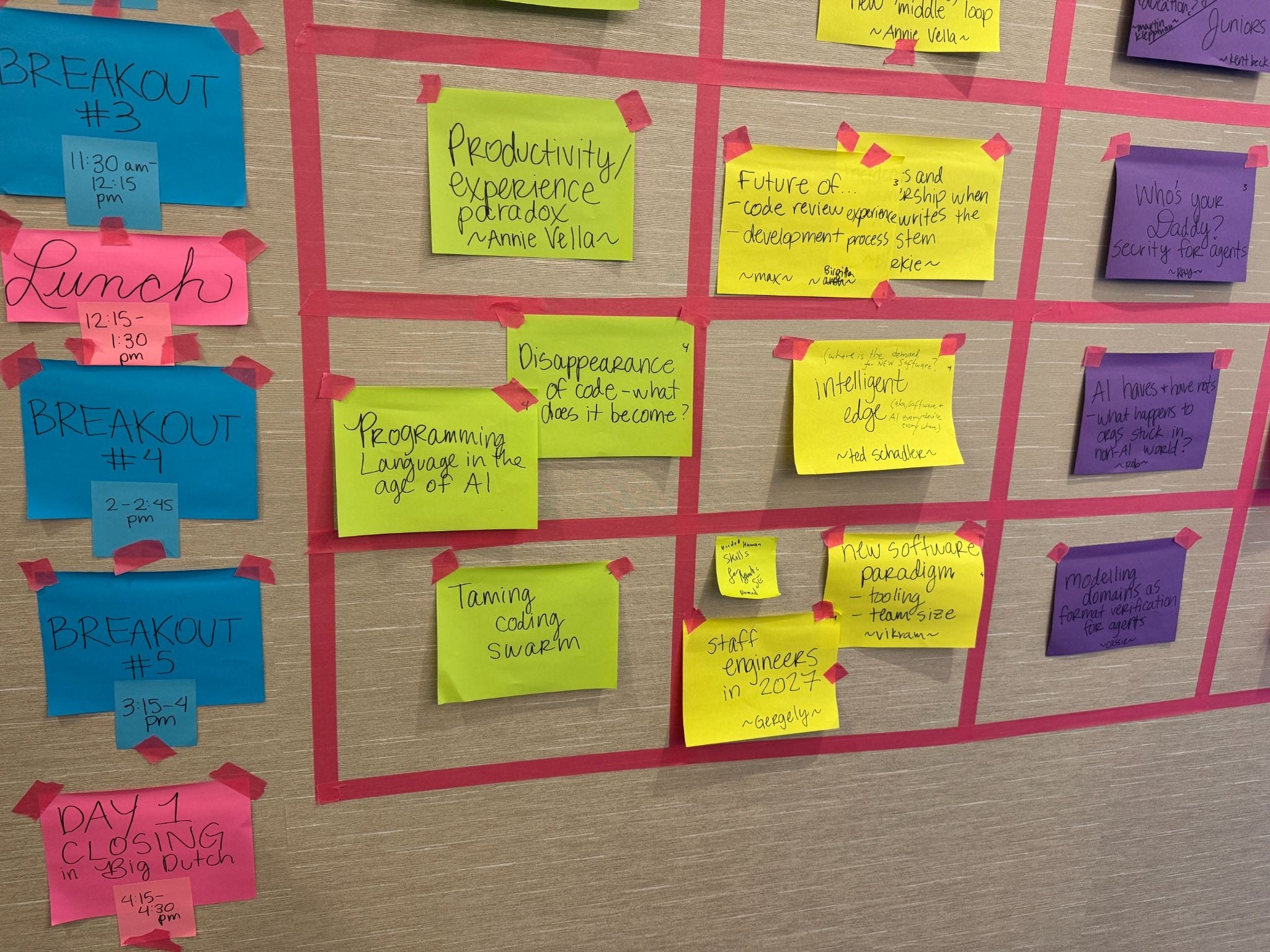
Steve Yegge on how AI is reshaping software engineering, the rise of “vibe coding,” and why developers must adapt to a rapidly changing craft.
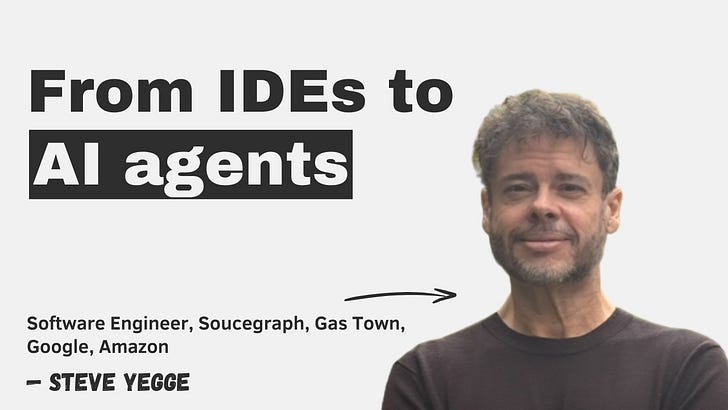
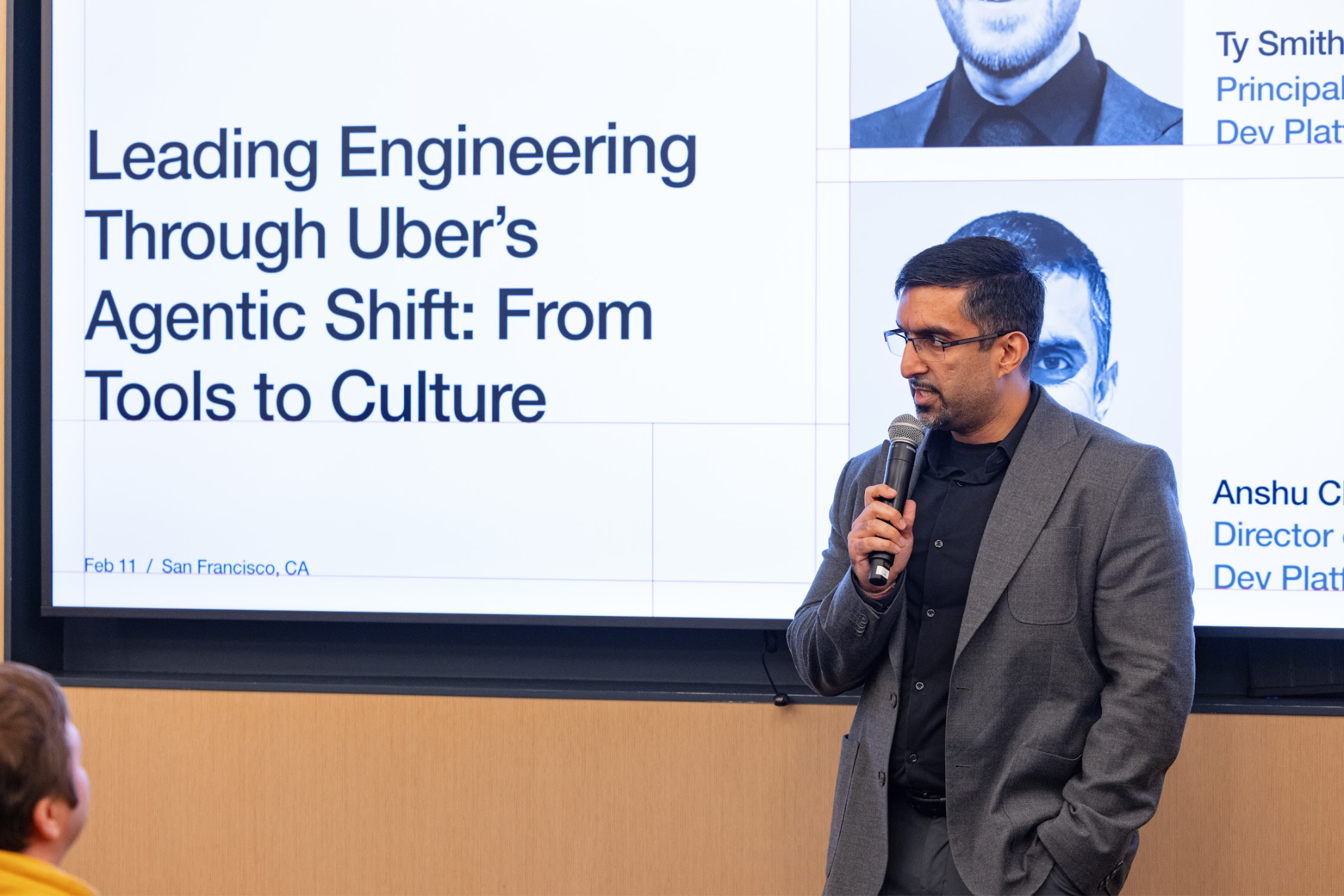
How Uber built Minion, Shepherd, uReview, and other internal agentic AI tools. Also, new challenges in rolling out AI tools, like more platform investment and growing concern about token costs
Also: 40% job cuts at Block “not due to AI”, Antigravity bans reinforce Google’s disdain for paying customers, and more
